
My Child's Glasses Prescription Keeps Getting Stronger: Is It Time for Myopia Management?
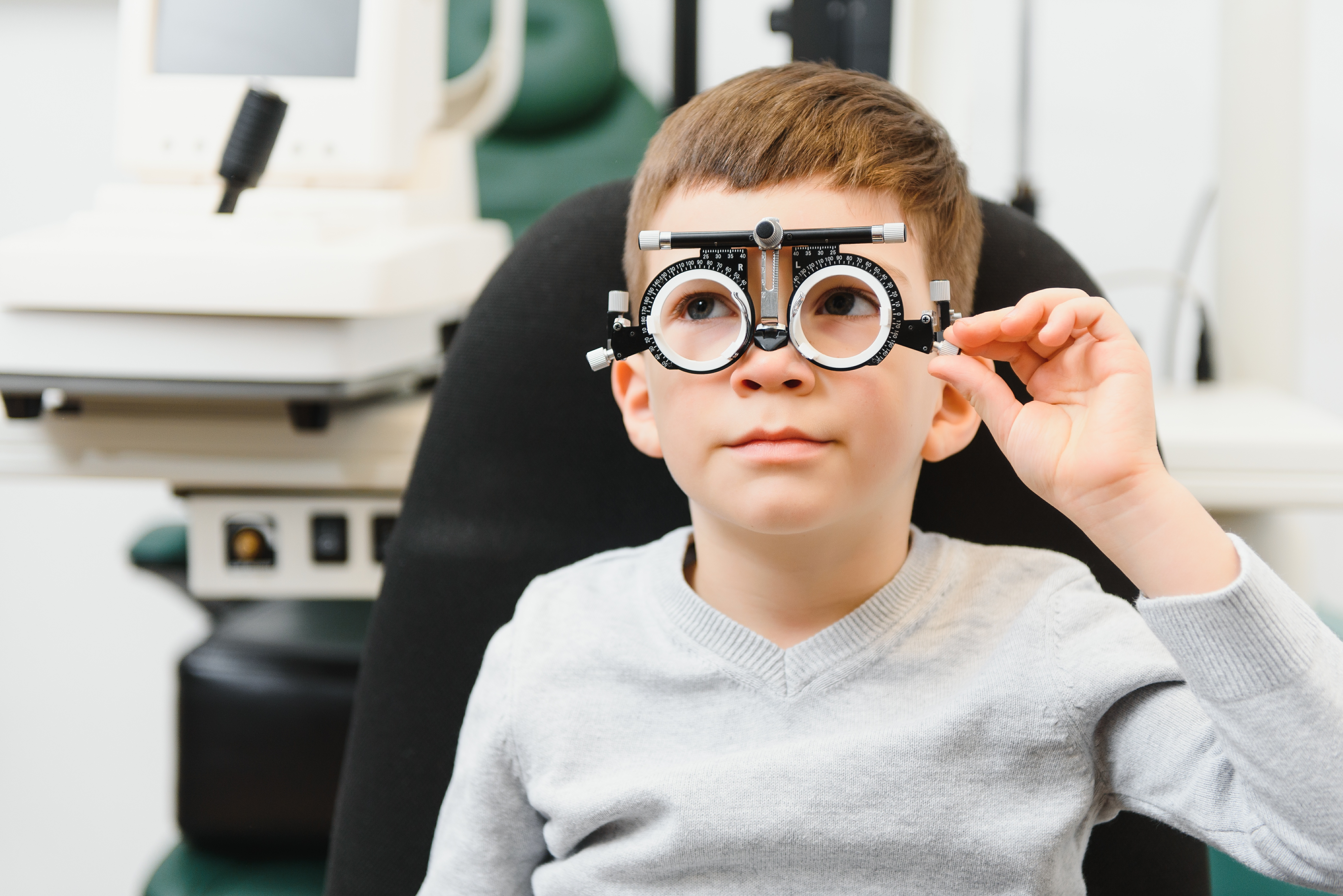
If your child needs a stronger glasses prescription at nearly every eye exam, you may wonder whether this is a normal part of growing up. Frequent prescription changes can be a sign of progressing myopia, also called nearsightedness. While glasses help children see clearly, they do not necessarily slow the condition itself. Myopia management focuses on limiting how quickly nearsightedness worsens as your child grows.
Why Does My Child's Prescription Keep Changing?
Myopia often develops during childhood when the eye grows too long, causing distant objects to appear blurry. As the eye continues to grow, a child may need stronger lenses to see the board at school, recognize faces across a room, or participate comfortably in sports.
Some prescription changes are expected, but repeated increases deserve attention. Children who develop myopia at a younger age may have more years for it to progress, making early monitoring especially important.
Why Is Slowing Myopia Progression Important?
A stronger prescription affects more than the thickness of your child's glasses. Higher levels of myopia are associated with increased risks of certain eye conditions later in life, including retinal detachment, glaucoma, and myopic macular degeneration.
Myopia management cannot reverse nearsightedness or eliminate these risks. However, slowing progression may help reduce how much myopia develops over time. The goal is to support your child's vision now while protecting their long-term eye health.
What Myopia Management Options Are Available?
At Vision Source - Spring Marketplace, we evaluate children individually to determine which treatment approach may be appropriate. Depending on your child's age, prescription, eye health, and daily routine, options may include:
· MiSight 1 Day Contact Lenses: Daily disposable lenses designed to correct vision while helping slow myopia progression in eligible children.
· Orthokeratology (Ortho-K): Specially fitted overnight lenses that temporarily reshape the cornea, providing clearer daytime vision and potentially slowing progression.
· Essilor Stellest Lenses: Specialized eyeglass lenses designed to correct nearsightedness and slow its progression in eligible children.
· Low-Dose Atropine Eye Drops: Prescription drops used under an eye doctor's guidance to help slow worsening myopia.
· Soft Multifocal Contact Lenses: Certain lens designs that may help manage myopia progression in children.
Treatment results vary, and regular follow-up visits help us assess progress and adjust the plan when necessary.
When Should You Schedule a Myopia Evaluation?
You do not need to wait until your child's prescription becomes very strong. If their nearsightedness increases between exams, they frequently squint to see distant objects, or they have trouble seeing at school, an eye exam is a good next step.
During a pediatric eye exam, we review prescription changes, evaluate eye health, and discuss whether myopia management could benefit your child. We can also recommend healthy visual habits, including regular breaks from close-up work and more time outdoors.
If your child's glasses keep getting stronger, schedule a pediatric eye exam with Vision Source - Spring Marketplace in Tomball, TX, by calling (832) 639-8910 to explore personalized myopia management options.
Helpful Articles
All Eye Care Services
Find personalized eye care excellence with our comprehensive services. From eye exams to advanced diagnostics, trust us for all your vision needs.

Keep In Touch
For non-urgent questions or to learn more about our services, contact us today!
© 2026 Vision Source - Spring Marketplace. All rights Reserved - Accessibility Statement - Privacy Policy - Sitemap
Managed and Designed by 